
How to frame a jigsaw puzzle
You found the last piece. Now keep it. Six steps from table to wall, plus the glue, sheets and frames to do it with.
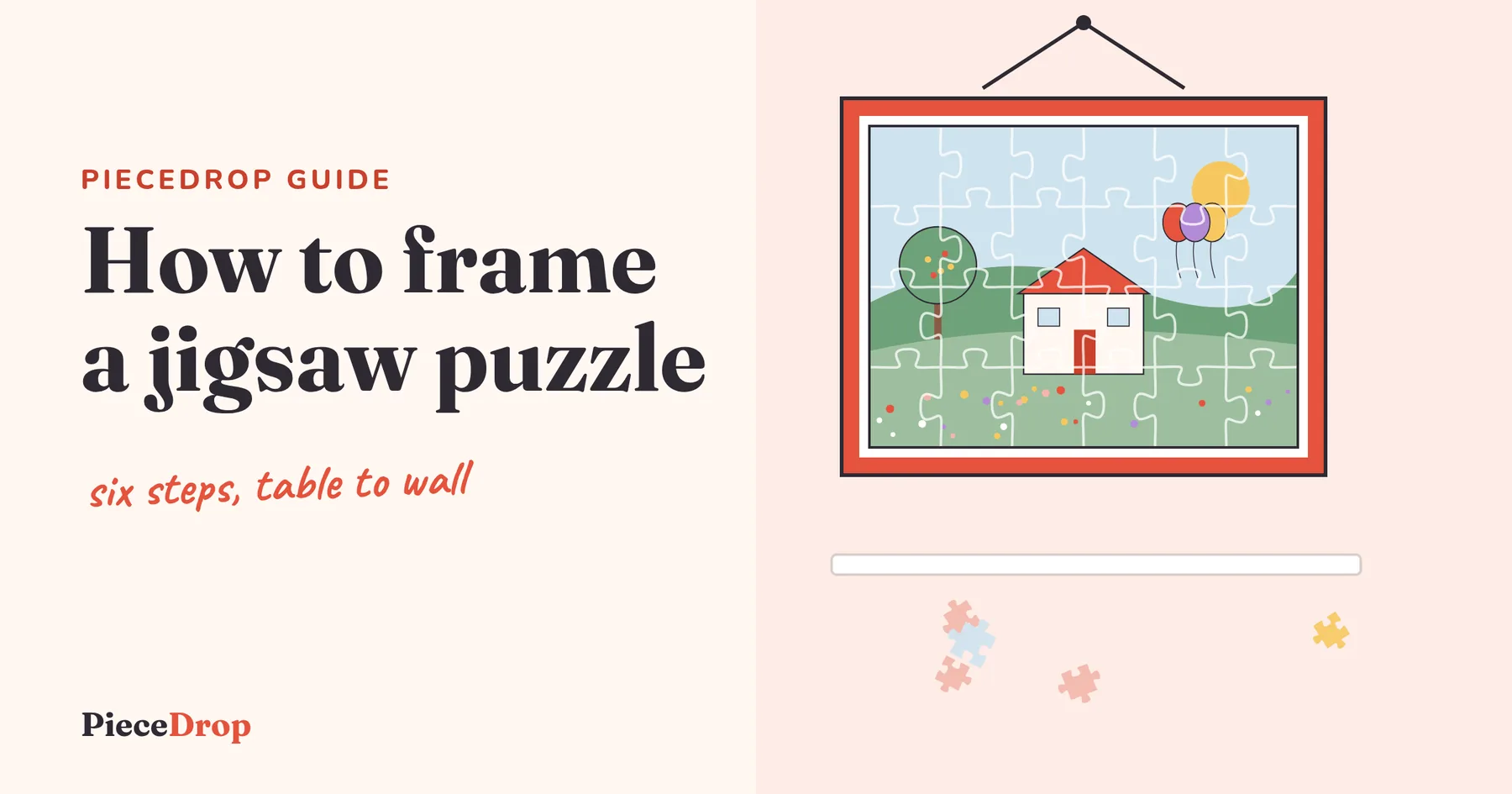
Six steps from table to wall
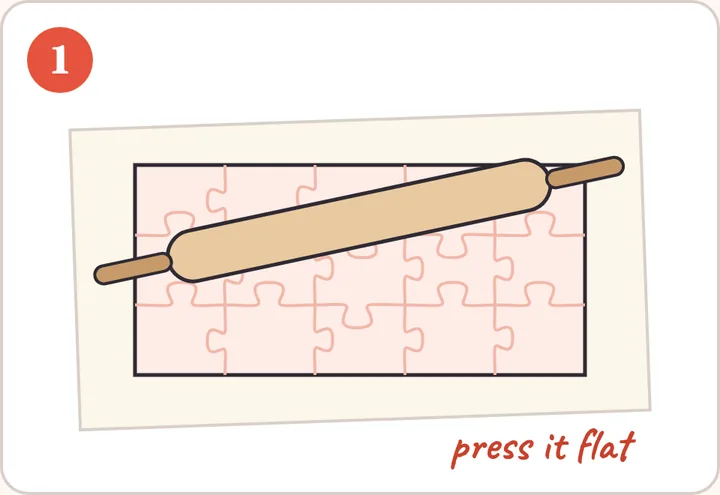 1. Finish and flatten. Complete the puzzle on wax paper or parchment. Press down any raised pieces with a rolling pin or a flat book.
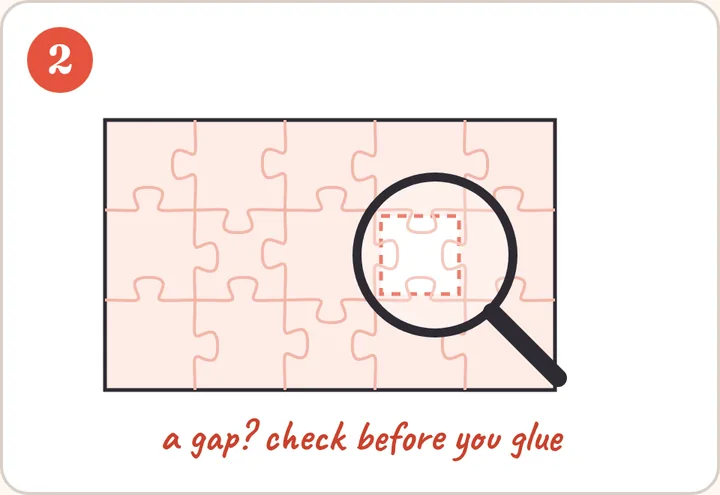 2. Check for gaps. Missing a piece? Try the brand's replacement policy before you glue.
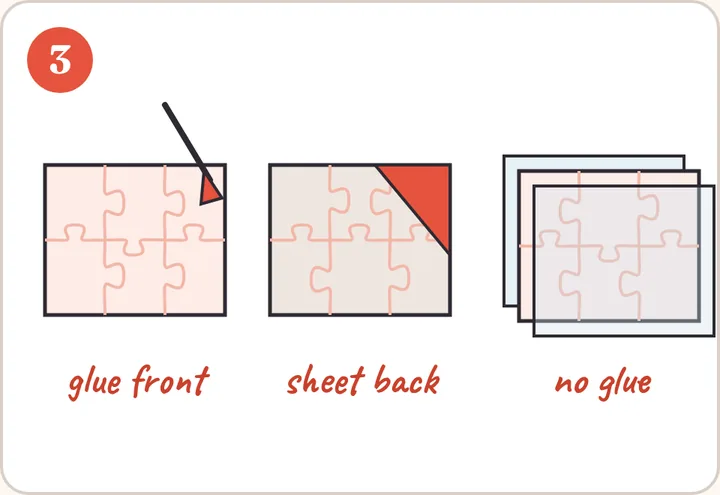 3. Pick your hold. Brush-on glue on the front, peel-and-stick saver sheets on the back, or a glue-free frame that holds the pieces between clear panels.
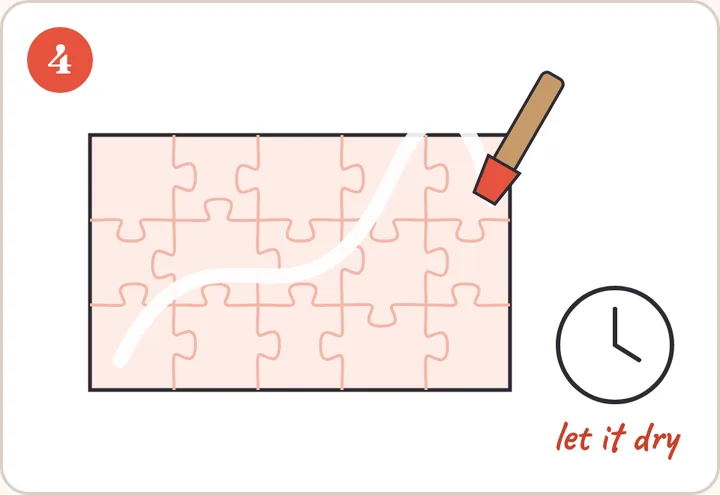 4. Glue in thin coats. Spread a thin, even layer into the seams and wipe off extra. Let it dry as the label says before you move it.
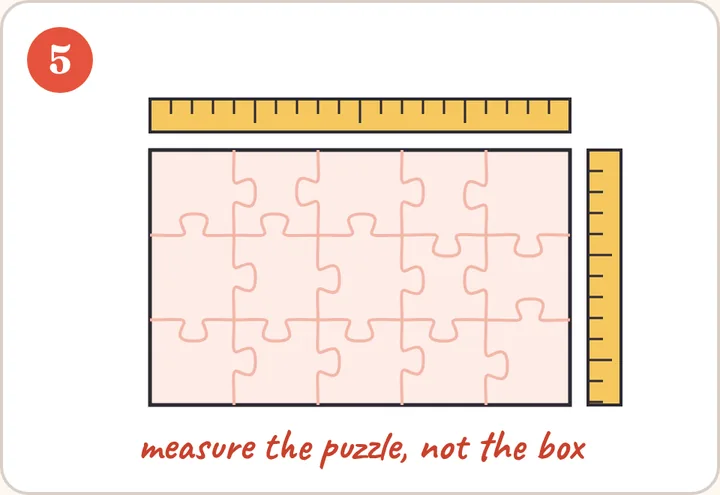 5. Measure the finished puzzle. Measure it, not the box. Pick a frame that fits that size, or a bigger frame with a mat.
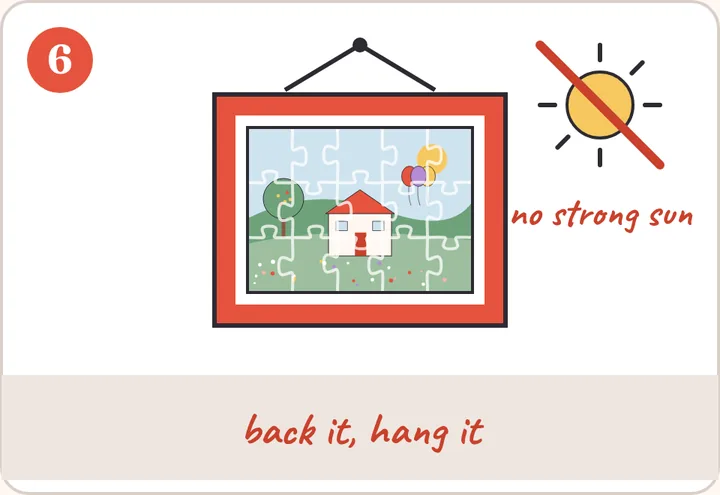 6. Back it and hang it. Mount on a backing board so it doesn't sag, then frame and hang. Keep it out of strong sun so it doesn't fade.
Glue or saver sheets
- Brush-on glue goes on the front, fills the seams and seals it. It can add a little shine, so test a corner.
- Peel-and-stick sheets go on the back. The front stays as printed, and there's nothing to dry.
- Glue-free frames hold loose pieces between two clear panels, so you can take it apart later.
Picks from the makers' stores
-

Puzzle Presto peel and stick saver
6 adhesive sheets and 2 hangers. No glue to spread; works for any piece count.
$8.99 · Buffalo Games · in stock Oct 22, 2026
-

Jigsaw puzzle glue, 4 oz
Glue paste with an applicator.
$4.99 · Buffalo Games · in stock Oct 22, 2026
-

-

Mod Podge puzzle saver
An 8 oz jar of Mod Podge Puzzle Saver.
$9.99 · White Mountain · in stock Oct 22, 2026
Frames
- Measure the puzzle, not the box. Box sizes are approximate.
- Check what's included. Some frames leave out the clear cover or the backing.
- Brand-only frames. Some only fit that brand's puzzles.
Picks from the makers' stores
-

F-1000 aluminum frame, 30 x 24 in
For glued 1000-piece puzzles. Made in the USA. Its page says the plastic cover is not included.
$69.99 · White Mountain · in stock Oct 22, 2026
-

F-1000G frame with glue, 30 x 24 in
The same frame, sold with puzzle glue.
$71.99 · White Mountain · in stock Oct 22, 2026
-

Liberty puzzle frames
Plexiglass on the front and back holds the pieces, so no glue. Sized by piece count.
from $65.00 · Liberty Puzzles · in stock Oct 22, 2026
-

JIGGY 800-piece frame
Only fits JIGGY puzzles ordered after November 2020.
from $60.00 · JIGGY · in stock Oct 22, 2026
Prices and stock as of Oct 22, 2026. Boards, mats and trays are in our puzzle accessories guide.
Questions
Do I have to glue a puzzle to frame it?
Usually. Most frames expect a glued or backed puzzle. Some, like Liberty Puzzles' frames, hold loose pieces between two clear panels instead.
Glue on the front or the back?
Brush-on puzzle glue goes on the front and seals the gaps. Peel-and-stick saver sheets go on the back. Many people use one or the other, not both.
What size frame does a 1000-piece puzzle need?
Measure your finished puzzle. Box sizes are approximate and brands cut differently. White Mountain's F-1000 frame, for example, is 30 x 24 in, sized for its own 1000-piece puzzles.
Can I use a regular poster frame?
Often, if the inside size fits your measured puzzle. Glue it or back it first so it stays flat, and use a backing board so it doesn't sag.
How long does puzzle glue take to dry?
Follow the glue's own label. Drying times differ between products and with humidity.
Missing a piece before you frame?
Check our missing-piece guide for your brand's replacement policy, or make a filler piece from the box picture.
Some links may earn us a small fee if you buy. You never pay more. How we make money.
More guides
- The best 1000-piece puzzles under $20
- New Christmas jigsaw puzzles for 2026
- Good puzzles for beginners: 300 to 500 pieces
- Winter and snow jigsaw puzzles
- Fall and Thanksgiving jigsaw puzzles
- How to register for the 2027 USA Jigsaw Puzzle Nationals
- Where to buy this month's contest puzzles
- The Pokémon 40,000-piece puzzle: price tracker and guide
- How to tell if a jigsaw puzzle uses AI art
- Lost a puzzle piece? How to get a replacement
- Jigsaw puzzle accessories: what to look for
- Custom photo puzzle gifts: a guide
- The best jigsaw puzzle review blogs
- Puzzle gift guides
New puzzles and the 5 best deals, every week
One short email. Easy to unsubscribe.
🧩 Free printable: get the puzzle log and track every puzzle you finish.
Win a free puzzle each month: subscribers are entered automatically. Sign up by the end of the month to be entered in this month's giveaway.
